Decks: Unlocking the Potential of Multifunctional Spaces
Introduction
In today's dynamic urban landscape, decks have emerged as versatile and increasingly popular architectural elements, transforming outdoor spaces into functional and aesthetically pleasing extensions of our living areas. A deck is a raised or flat structure attached to a house or built independently, providing a range of benefits, from enhancing outdoor entertainment to creating additional livable space. This comprehensive article delves into the world of decks, exploring its history, global impact, economic significance, technological innovations, regulatory landscape, and future prospects. By the end, readers will have a thorough understanding of this versatile structure and its role in shaping modern living.
Understanding Decks: Definition and Core Components
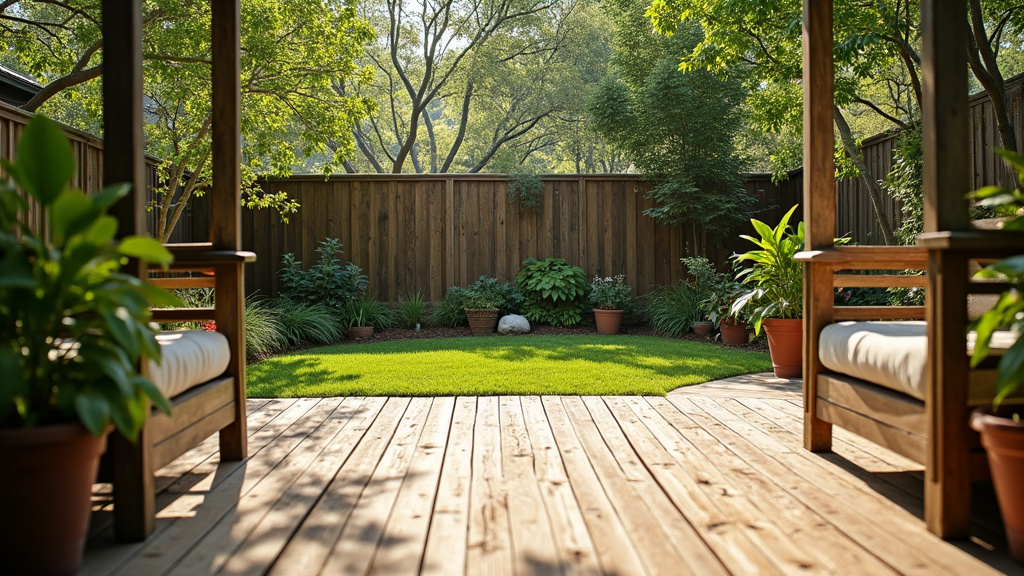
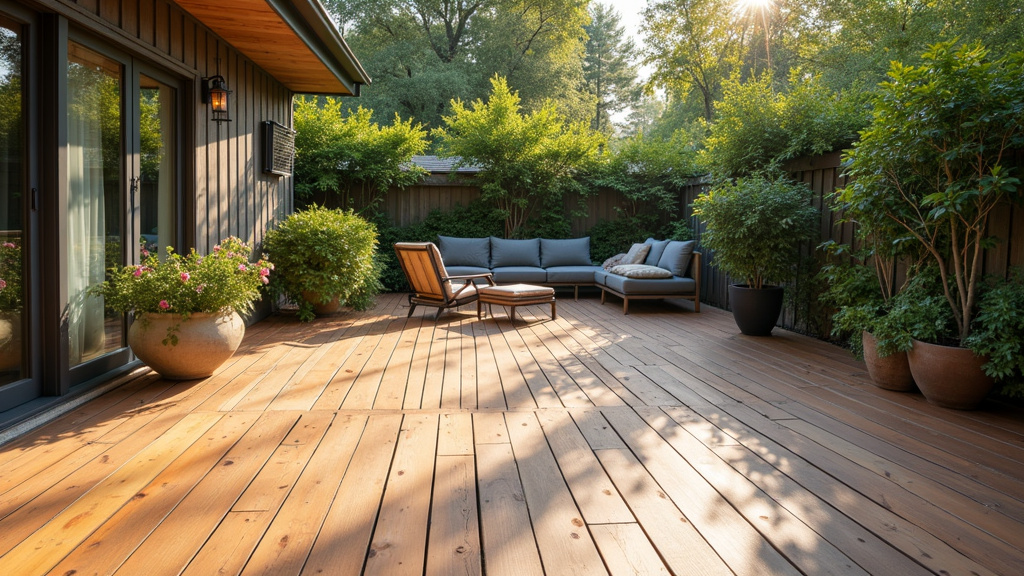
Decks are outdoor structures that serve as transitional spaces between interior living areas and exterior environments, offering a seamless connection to nature. They are typically constructed using durable materials such as wood, composite decking, metal, or concrete, ensuring resilience against various weather conditions. A standard deck comprises several key components:
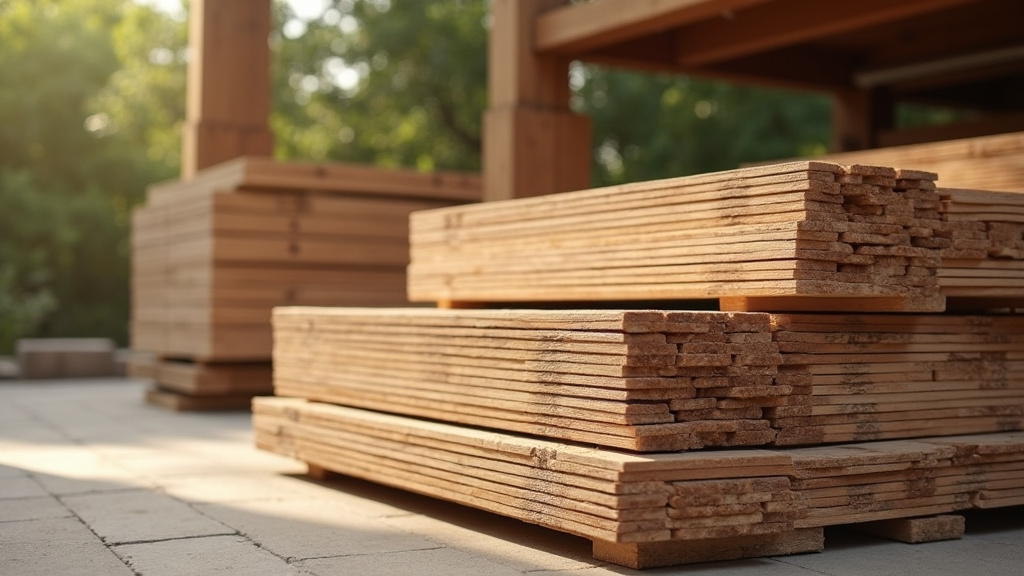
- Decking Material: The surface of the deck, which can be made from various materials, each with unique characteristics and maintenance requirements.
- Support Structure: Includes beams, joists, and posts that provide structural integrity and support for the deck's weight.
- Decking Fasteners: Nails, screws, or clips used to secure the decking material to the support structure.
- Guardrails and Balustrades: Safety features designed to prevent falls, typically required by building codes for raised decks.
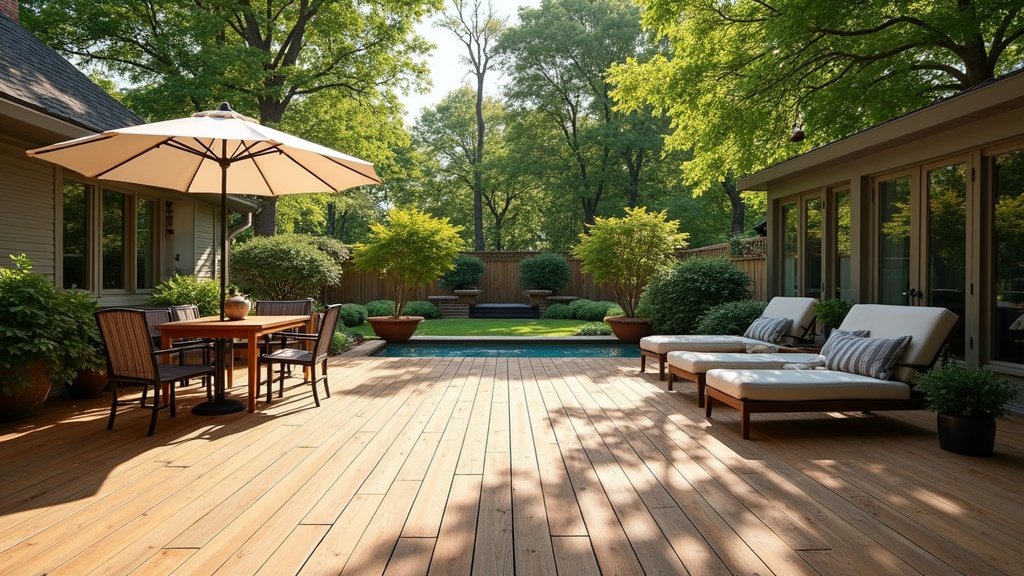
- Decking Accessories: Such as lighting fixtures, built-in seating, sunshades, or water features, which enhance the deck's functionality and aesthetics.
Historically, decks have been a part of human habitation for centuries, with early versions serving as simple platforms or rooftops offering views and ventilation. Over time, they evolved into more sophisticated structures, especially in coastal regions where they provided protection from winds and offered a space for social gatherings.
Global Impact and Trends
The concept of decks has transcended geographical boundaries, gaining popularity worldwide due to their versatility and ability to enhance outdoor living. Here’s a glimpse into the global impact:
- North America: Leading the way in deck adoption, North American countries like the United States and Canada have seen significant growth in deck construction. According to the National Association of Home Builders (NAHB), an estimated 12.3 million U.S. households owned decks as of 2021. The region's diverse climate and cultural appreciation for outdoor living contribute to this trend.
- Europe: European countries are embracing decks, particularly in urban areas where limited outdoor spaces are a common challenge. Modular decking systems and compact, multi-functional designs are gaining popularity, catering to dense populations.
- Asia: With rapid urbanization, Asia is witnessing a surge in deck installations, especially in China and Japan. There’s a growing demand for low-maintenance, aesthetically pleasing decks that blend seamlessly with traditional architecture.
- Global Trends: Some universal trends include the increasing use of sustainable materials, such as recycled plastic composite decking, and the integration of smart technology to control lighting, temperature, and even water features remotely.
Economic Considerations
The deck industry is a significant contributor to the global construction market, with varying economic dynamics across regions:
- Market Size: The global deck market size was valued at USD 15.8 billion in 2021 and is projected to grow at a CAGR of 5.6% from 2022 to 2030 (Grand View Research). This growth is driven by the rising demand for outdoor living spaces, particularly in suburban areas.
- Investment Patterns: Decks are considered relatively affordable home improvement projects, with average costs varying widely based on location, materials, and size. According to Remodeling Magazine's Cost vs. Value Report 2022, a mid-range deck replacement (16' x 20') can yield an average return of 75.8% in the U.S.
- Economic Impact: The construction and maintenance of decks support various industries, including lumber, concrete, hardware, and landscaping. They also contribute to local economies through job creation and business opportunities for contractors, designers, and suppliers.
Technological Advancements
Technological innovations have revolutionized the deck industry, enhancing functionality, durability, and aesthetics:
- Composite Decking: One of the most significant advancements is composite decking, a blend of wood fibers and plastic polymers that offers superior durability over traditional wooden decks. It requires less maintenance, is resistant to rot and mold, and maintains its color throughout its lifespan.
- Smart Decks: Integration of smart home technology into decks is gaining traction. These systems enable remote control of lighting, heating elements, and even water features through smartphone apps or voice assistants. Motion sensors and automated shade systems enhance comfort and security.
- Digital Design Tools: Advanced 3D modeling software allows designers and homeowners to visualize deck layouts virtually before construction begins. This technology streamlines the design process, aids in material estimation, and improves overall project accuracy.
- Eco-Friendly Innovations: There’s a growing emphasis on sustainable decking materials, such as recycled plastic, bamboo, or wood from certified sustainable sources. These options cater to environmentally conscious consumers while also reducing maintenance costs.
Policy and Regulation
The development of decks is subject to various local, state, and national regulations aimed at ensuring safety, structural integrity, and environmental compliance:
- Building Codes: Most jurisdictions have specific building codes governing deck construction, including minimum clearance from buildings, required support systems, and fire safety measures. Compliance with these codes is mandatory for all new deck installations.
- Zoning Regulations: Local zoning laws may restrict the placement, size, and design of decks, particularly in residential areas. Homeowners should check with their local authorities to understand any restrictions or guidelines.
- Environmental Permits: In ecologically sensitive areas, permits may be required for deck construction to protect wildlife habitats and prevent water pollution. Developers must adhere to environmental impact assessments and mitigation measures.
- Safety Standards: Organizations like the American National Standards Institute (ANSI) and International Code Council (ICC) set safety standards for decks, including guardrail height requirements, handrail spacing, and load-bearing capacities.
Challenges and Criticisms
Despite their numerous benefits, decks face several challenges and criticisms:
- Maintenance: Wooden decks require regular cleaning, staining, or sealing to prevent rot, mold, and insect infestation. Composite decking reduces maintenance needs but still demands occasional cleaning and care.
- Structural Integrity: Improperly designed or installed decks may pose structural risks, especially in areas prone to extreme weather conditions like hurricanes or heavy snow. Regular inspections and professional maintenance are crucial for safety.
- Environmental Impact: The production and disposal of certain decking materials can have environmental consequences. Sustainable practices and responsible sourcing can mitigate these impacts, but consumer awareness is essential.
- Accessibility: For individuals with limited mobility, decks without proper ramp access or level entry points may present challenges. Universal design considerations can enhance accessibility for all users.
Case Studies: Successful Deck Applications
Urban Rooftop Retreats
In dense urban centers, rooftop decks have become sought-after amenities, offering residents a peaceful escape from the hustle and bustle below. For example, New York City's "Green Roofs" initiative promotes the installation of green roofs and decks on commercial and residential buildings, providing insulation, reducing the urban heat island effect, and offering recreational spaces. These urban decks often incorporate smart technology for lighting control and energy-efficient cooling systems.
Sustainable Beachside Residences
In coastal regions, where wood has traditionally been the dominant decking material, there’s a growing trend towards sustainable alternatives. In Australia, some luxury beachfront residences feature decks constructed primarily from bamboo, a rapidly renewable resource known for its strength and beauty. This eco-friendly approach resonates with environmentally conscious buyers while aligning with local regulations promoting sustainable building practices.
Multi-Functional Urban Patios
In Europe, especially in compact urban apartments, balconies and terraces often double as outdoor living rooms, dining areas, or home offices. These multi-functional spaces require versatile designs that can accommodate various activities. Modular decking systems allow for easy reconfiguration, enabling residents to create different settings for entertaining, relaxing, or working from home.
Future Prospects: Emerging Trends and Growth Areas
The future of decks looks promising, with several emerging trends and growth areas shaping its development:
- Smart Home Integration: As smart home technology continues to evolve, decks will likely become even more connected, offering advanced lighting control, automated shade systems, and integrated sound systems. Voice-controlled environments and AI-powered energy management are potential future developments.
- Modular Decking Systems: Modular decking is expected to gain further traction, providing quick installation, customizable designs, and the ability to expand or reconfigure decks as needs change. These systems are particularly well-suited for urban dwellers with limited outdoor spaces.
- Sustainable and Eco-Friendly Materials: With growing environmental concerns, sustainable decking options will remain in demand. Innovations in composite materials, bamboo, recycled plastics, and natural fibers will contribute to a greener deck industry.
- Health and Wellness Focus: As health and wellness become a priority for many, outdoor spaces like decks can be transformed into holistic retreats with built-in meditation areas, yoga platforms, or gardens promoting mental well-being.
- Technological Advancements in Safety: Innovations in safety technology will enhance deck security and accessibility. Smart sensors can detect falls or unauthorized access, while advanced lighting and surveillance systems improve overall safety.
Conclusion: Decked Out for the Future
Decks have evolved from simple outdoor structures to multifunctional spaces that enrich our lives and connect us with nature. With technological advancements, sustainable practices, and a growing global appreciation for outdoor living, the deck industry is poised for significant growth and innovation. As we look ahead, decks will continue to play a vital role in shaping urban landscapes, offering versatile spaces that cater to diverse lifestyles and cultural preferences.
FAQ Section
Q: How much does it cost to build a deck?
A: Deck costs vary widely based on location, size, materials, and design complexity. On average, a basic wooden deck can range from $15 to $30 per square foot, while more elaborate decks with composite materials or advanced features may cost $40 to $70 per square foot or more.
Q: What is the best material for a deck?
A: The "best" material depends on personal preferences, climate, and budget. Wooden decks offer classic beauty and variety but require maintenance, while composite decking is low-maintenance and durable. Concrete decks are sturdy and versatile, well-suited for heavy use, and can be designed to mimic wood or stone aesthetics.
Q: Are decks subject to local regulations?
A: Yes, decks are typically governed by local building codes, zoning regulations, and environmental permits. It's essential to check with your local authorities to understand specific requirements and restrictions before starting any deck project.
Q: How do I ensure my deck is safe?
A: Regular maintenance, including cleaning, sealing (for wood), and checking for loose boards or damaged components, is crucial for safety. Ensure guardrails meet required heights and handrails are securely fastened. Professional inspections are recommended for older decks or those with complex designs.
Q: Can I transform my balcony into a deck?
A: Absolutely! With creative design and the right materials, balconies can be transformed into charming outdoor retreats. Consider modular decking systems, which offer versatility and customization options to maximize your limited space.