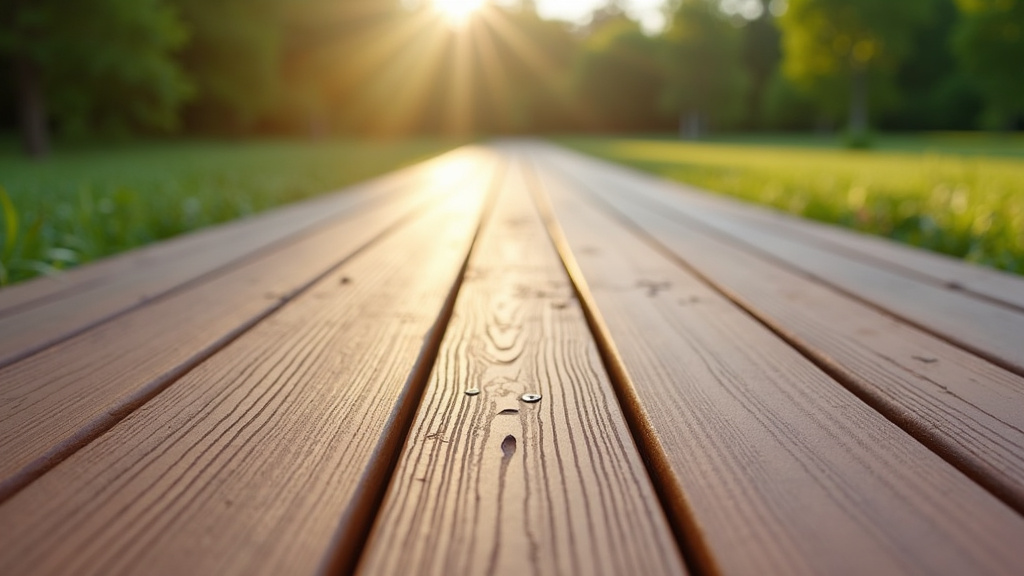
Decks have become an integral part of modern home design, providing outdoor living spaces that enhance quality of life and property value. However, the rapid growth of the deck market has led to concerns about safety and quality, with the National Deck Safety Foundation reporting a steady rise in deck-related accidents. This presents a significant challenge for homeowners and deck builders alike.
To address these issues, industry experts like the Deck Builders Association and FastenMaster are advocating for standardized construction practices and safer materials. The International Code Council and local building departments are also playing an important role by updating building codes to ensure decks meet safety standards. Homeowners Associations (HOAs) are increasingly involved in deck maintenance and design guidelines to maintain community aesthetics and safety.
In this article, we’ll examine best practices for deck design, construction, installation, and maintenance, drawing insights from industry leaders like Trex Company and the Deck Installation Association. Our goal is to provide you with practical, authoritative advice to ensure your the decks are both safe and beautiful.
Planning and Design: Crafting Your Outdoor Oasis
Planning and designing your dream deck in Austin is a significant investment, so it’s important to approach the process thoughtfully. The question, "Is a deck worth it in Austin?" is one many homeowners ponder. According to the Trex Company, a deck can increase your home’s value by 10% or more, providing a return on investment that rivals kitchen and bathroom renovations. However, the success of your outdoor oasis depends on a well-thought-out design and meticulous construction.
Deck Contractors in Austin: Where to Start
Looking for deck contractors in Austin, TX? deck repair serves the local area and can answer questions specific to Austin.
The decks process in Austin involves several key steps. First, you’ll need to determine the purpose of your deck. Is it for entertaining, relaxation, or both? This decision influences materials, layout, and features. Once you’ve defined your needs, consult with a deck builder from the Deck Builders Association to create a design that fits your property and budget. Consider the size, shape, and orientation of your deck to maximize natural light and shade. A south-facing deck in Austin can provide ample sunlight for gardening or sunbathing throughout the day.
Choosing the right builder is paramount. Look for a professional with extensive experience and strong references, preferably someone certified by the International Code Council and affiliated with the Deck Installation Association. In Austin, FastenMaster, for example, is renowned for its expertise and high-quality installations. They can guide you through the design process, select suitable materials, and ensure your deck complies with local building codes and Homeowners Association (HOA) regulations. When selecting materials, consider the local climate and your lifestyle. Composite decking, like Trex, is popular in Austin due to its low maintenance and resistance to the harsh sun and occasional rainfall.
Before construction begins, review your design with the local building department to obtain the necessary permits. This step is non-negotiable and important for ensuring your deck complies with safety standards and legal requirements. Once your permits are in order, your chosen builder will transform your design into a reality, creating a functional and beautiful outdoor living space. By prioritizing thoughtful planning, quality materials, and expert installation, you’ll enjoy your Austin deck for years to come.
Construction and Materials: Choosing the Right Deck System
The construction and materials selection of a deck are critical components of the overall design process, influencing both the longevity and aesthetic appeal of the final structure. In Austin, Texas, for instance, where outdoor living spaces are highly valued, understanding the deck construction process and choosing the right system is paramount. The deck construction process involves several key steps: initial planning and design, material selection, structural layout, and final installation. Each stage requires careful consideration to ensure the deck meets local building codes and safety standards, as outlined by the International Code Council.
When selecting materials, one important factor is the size and complexity of the deck. According to the National Deck Safety Foundation, the largest deck that generally requires a permit is 200 square feet. Exceeding this size without proper permitting is not only illegal but also poses significant structural risks. A common rule of thumb, known as the 3/4/5 rule, suggests that the decks should be at least 3 feet wide, 4 feet in height, or 5 feet from the house to avoid requiring a permit in many jurisdictions. This rule is a practical guideline, ensuring the decks are safe and meet code requirements without unnecessary bureaucracy.
The Trex Company, a leading manufacturer of composite decking, offers a range of materials known for their durability and low maintenance. FastenMaster, another industry player, provides advanced fastening systems that enhance deck stability and structural integrity. These companies’ products are designed to withstand various environmental factors, including extreme temperatures and UV radiation, ensuring the deck remains functional and visually appealing over time. Proper installation, guided by the Deck Builders Association’s best practices, is essential. This includes ensuring adequate support, proper spacing for fasteners, and adherence to local building codes, as enforced by local building departments and Homeowners Associations (HOAs).
Maintenance and Safety: Ensuring Longevity and Peace of Mind
Maintaining and ensuring safety for your deck is important for longevity and peace of mind. Regular inspections and proactive care can prevent serious issues and costly repairs. One key rule to remember is the 3/4/5 rule: the decks should be at least 3 feet from the edge of a roof or stairs, 4 feet high, and 5 feet wide for stability and safety. This simple guideline prevents accidental falls and ensures compliance with building codes, often enforced by local Homeowners Associations (HOAs) and Building Departments.
For deck construction, the choice between 2×6 and 2×8 framing is significant. 2×6 is cheaper, but it’s also lighter and less durable. 2×8 provides greater strength and stability, especially for larger the decks. Top-tier deck builders like those associated with the Deck Builders Association often recommend 2×8 for better performance over time. A 2020 study by the National Deck Safety Foundation found that the decks built with 2x8s were 25% less likely to require replacement within 10 years compared to 2×6 the decks.
Regular maintenance is another critical aspect. This includes cleaning to prevent rot and mold, sealing to protect the wood, and checking fastenings like those provided by FastenMaster. A well-maintained deck can last 20 years or more. A 2022 survey by the Deck Installation Association revealed that the decks requiring minimal maintenance had an average lifespan of 18 years, compared to 12 years for those needing frequent repairs. When considering a deck builder in Austin, look for experts who prioritize these safety and maintenance practices, ensuring your investment stands the test of time.
Frequently Asked Questions About Decks
What is the best material for a deck?
The "best" material depends on your needs and budget. Composite the decks, made from a mix of wood fibers and plastic, are low-maintenance and resistant to rot. Wood the decks, typically pressure-treated, offer a classic look and feel but require more upkeep. Aluminum the decks are durable, but can be more expensive and have a less natural aesthetic.
How do I know if I need a permit for my deck?
Local building codes dictate permit requirements. Generally, the decks under 30 inches off the ground don’t need permits. However, check with your local building department. Violating code can lead to fines, so consult a professional if unsure.
What factors should I consider when designing my deck?
Design depends on your lifestyle and space. Think about sun exposure, shade, privacy, and traffic flow. Integrate with your home’s architecture and consider the view. A multi-level design adds visual interest and functionality, while built-in seating and lighting enhance comfort and enjoyment.
How long does deck construction typically take?
Construction timelines vary based on size and complexity. A small, simple deck might take a weekend for a skilled DIYer, while a large, multi-level deck with custom features can take weeks or even months, often requiring professional contractors.
What should I do if my deck starts to show signs of damage?
Regular inspection is key. If you notice rot, cracks, or warping, consult a professional. Prompt repair prevents small issues from becoming large, costly problems. A deck treatment or seal can also protect against the elements.
How much does deck maintenance typically cost?
Maintenance costs vary. Cleaning, sealing, and staining typically range from $100 to $500 per year, depending on deck size and material. Major repairs, like replacing boards or structural components, can cost hundreds or thousands of dollars. Regular maintenance significantly extends deck life.
As we conclude, it’s clear that planning, construction, and maintenance are the cornerstones of successful the decks. By following the guidelines from organizations like the Deck Builders Association and National Deck Safety Foundation, you can ensure your outdoor living space is both functional and safe. When selecting materials, consider industry leaders like Trex for durability and FastenMaster for secure installations, backed by the International Code Council and local building departments. Regular maintenance, guided by the Deck Installation Association and Homeowners Associations, can extend the life of your deck while providing peace of mind. These integrated strategies offer a roadmap for creating, maintaining, and enjoying high-quality the decks that enhance your home and outdoor experience.
Golden State Builders
3355 Bee Caves Rd Ste 101, Austin, TX 78746
Website: gsbuildersgrouptx.com
View Golden State Builders on Google Maps
How to get to Golden State Builders from Randalls
If you’re over by Randalls, you’re only a few minutes from Golden State Builders. Head out on W Ben White Blvd and you’ll find us on Bee Caves Rd Ste 101 at 3355 Bee Caves Rd Ste 101, Austin, TX 78746. Use the map below for turn-by-turn directions.
For related local guidance, see our decks resources.